
Top-Rated Foundation Repair Solutions For Structural Stability
Select from proven products designed to restore stability and protect your property from foundation issues.
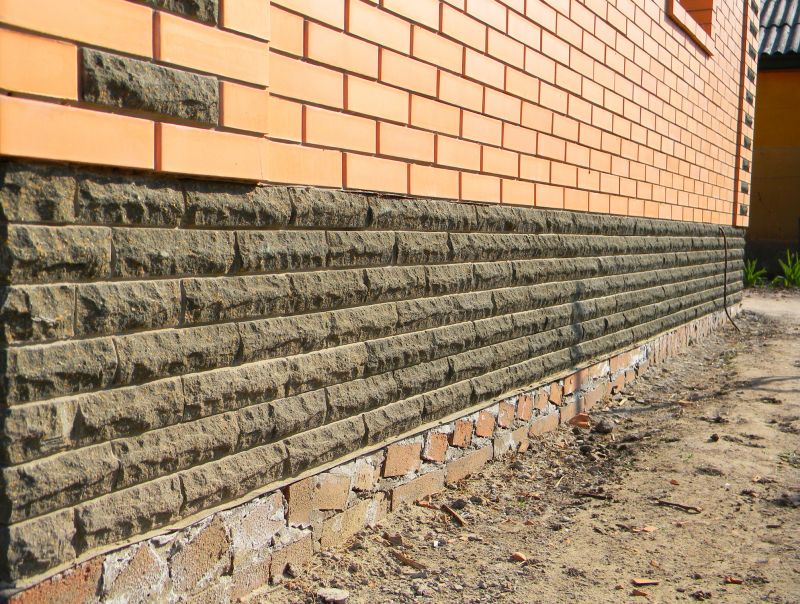 Foundation repairs are a critical aspect of maintaining the structural integrity of a building, especially in regions like Carlsbad, CA, where soil conditions and climate can influence foundation stability. A variety of products are available to address different types of foundation issues, including cracks, settling, and shifting. Selecting the right repair products involves understanding the specific needs of your property, the extent of the damage, and the underlying causes. Proper application and quality materials are essential to ensure long-lasting results and to prevent future problems.
Top Overall Option
Polyurethane Foam Foundation Stabilization
Polyurethane foam is a versatile and minimally invasive solution often used to lift and stabilize sinking or settling foundations. It expands upon application, filling voids and providing immediate support to weak or shifting soil beneath the foundation. This product is favored for its quick curing time and ability to conform to irregular spaces, making it suitable for various foundation types. Properly installed polyurethane foam can help in restoring levelness and preventing further movement, offering a reliable option for many foundation repair scenarios.
Types of Products For Foundation Repairs
Carbon Fiber Reinforcement Strips
Used to strengthen and reinforce cracked concrete walls, these strips are applied with epoxy to improve structural integrity.
Steel Push Piers
These are installed beneath the foundation to provide support by transferring load to stable soil or bedrock.
Helical Piers
Helical piers are screwed into the ground to stabilize and lift foundations affected by soil movement.
Concrete Crack Filler
A variety of sealants and fillers designed to fill and seal cracks in concrete foundations to prevent water intrusion.
Underpinning Systems
Comprehensive solutions that involve extending the foundation’s depth or support to improve stability.
Soil Stabilization Products
Materials used to improve soil conditions around the foundation, reducing settlement and shifting.
Epoxy Injection Kits
Used to repair cracks and restore the structural integrity of concrete walls and slabs.
Grout and Mudjacking Materials
Fluid mixtures injected beneath slabs or foundations to lift and level uneven surfaces.
Waterproofing Membranes
Applied to foundation walls to prevent water infiltration and protect against moisture damage.
Vapor Barriers
Installed to control moisture and humidity levels around the foundation area.
Anchor Bolts and Plates
Used to secure and stabilize foundation walls and structures.
Pier and Beam Supports
Support systems designed for homes with pier and beam foundations to prevent shifting and settling.
Hydraulic Jacking Systems
Tools used to lift and level foundations during repair procedures.
Drainage Systems
Drainage solutions that divert water away from foundations to reduce soil erosion and moisture problems.
Soil Moisture Control Products
Products like moisture barriers and irrigation systems to manage soil moisture levels around foundations.
Foundation Repair Kits
Comprehensive kits that include multiple components for small to medium foundation repairs.
Popular Choices
Widely used for sealing small cracks and preventing water ingress in foundations.
Commonly employed for quick stabilization of foundation voids and cracks.
Frequently selected for their strength and ability to support heavy loads.
Popular for their ability to stabilize and lift foundations affected by soil movement.
A go-to choice for repairing cracked concrete walls and slabs.
Often used for leveling sunken slabs and driveways efficiently.
Commonly installed to protect foundations from water damage.
Popular for moisture control in crawl spaces and basement areas.
Widely implemented to improve water runoff around foundations.
Frequently used in underpinning and stabilization projects.
Chosen for their ability to improve soil stability around foundations.
Commonly employed for lifting and leveling foundation components.
Popular for small-scale repairs requiring multiple components.
Installed to direct water away from the foundation area.
Many foundation repair products are designed to stabilize and lift foundations, fill cracks, or reinforce weak areas. These products are often used by professional contractors but are also accessible to skilled homeowners undertaking DIY projects. It is important to choose products that are compatible with your foundation type, whether it’s concrete, pier and beam, or slab. Additionally, considering the environmental conditions of Carlsbad, such as moisture levels and soil composition, can influence the choice of repair materials.
When selecting foundation repair products, safety and ease of use should also be considered. Some products require specialized tools or techniques, while others are designed for straightforward application. Durability and resistance to weathering are key factors, especially in coastal areas where exposure to moisture and salt can accelerate deterioration. Consulting with a foundation specialist can help determine the most suitable products for your specific situation, ensuring the longevity and stability of your property.
Key Buying Considerations
- Assess the type and extent of foundation damage to determine suitable products.
- Understand the soil conditions and moisture levels specific to your location in Carlsbad, CA.
- Choose products compatible with your foundation type, such as concrete, pier and beam, or slab.
- Consider the ease of application and whether professional installation is recommended.
- Evaluate the durability and resistance of materials to local environmental factors like moisture and salt exposure.
- Check for product certifications and compliance with local building codes.
- Determine if the repair method is reversible or if it involves permanent modifications.
- Review the manufacturer's instructions for proper application and safety precautions.
- Consider the potential need for ongoing maintenance or monitoring after repair.
- Factor in the cost-effectiveness and longevity of the repair products.
- Research customer reviews and expert recommendations for reliability and performance.
- Ensure access to technical support or professional consultation if needed.
- Identify whether the products are suitable for DIY projects or require professional installation.
- Plan for necessary tools and equipment required for application.
- Verify warranty options or guarantees offered with the products.